
Tools for Food Photography Styling- part 1
- Wilsonloyfernandes

- Oct 31, 2022
- 3 min read

Credit: Alessandro Albanesi
You must hone your food styling abilities whether you plan to become a professional food photographer or just start off as a food blogger. Lighting and composition cannot be separated from food styling.
The look of the finished image benefits equally from the interaction of all of these elements. A flawed one of them will lead to an unsatisfactory outcome.
Because a food stylist has the specialised expertise to make food look its best, they are typically used in conjunction with food photographers. However, when you first begin working in the field of food photography, you will probably be collaborating with small companies that may not have the resources to engage a food stylist.
You will thus need to style yourself.
A food stylist requires a collection of tools to do the task, much like an artist needs brushes to paint. Even if you aren't performing the style for a project, you should still have a carry case or tote bag full of accessories that you can bring to every session to take care of frequent styling concerns.
To produce the desired effects, a photographer, a food stylist, and occasionally even a prop stylist collaborate. While everyone has a part to play, the entire process is one of teamwork.
List of Things to Include in Your Kit
Tweezers

Credits: Nataliya Vaitkevich
Tweezers are one of the most essential items in your toolbox since they are essential for carefully positioning garnishes or moving food to the ideal position.
Usually, the fingers are too ineffective for this. Aim for at least two pairs, including some with long handles and some with short handles. Only use these for food, and keep them in your kit.
Cotton Swabs

Credits: Larolina Grabowska
For removing minor drops, fingerprints, or other stains from plates and props, cotton swabs work great.
Paper Towels

Credits: Vlada karpovich
Paper towels may be used to hold up salads, clean up spills, wipe your hands, and preserve surfaces and linens in addition to washing your hands and wiping up messes.
Paint Brushes

Credits: Dominika Roseclay
Prepare a range of paint brushes to use to wipe any undesirable crumbs or meat with a little olive oil. A fan brush works especially well for cleaning surfaces.
Spend a little more on high-quality paintbrushes. The bristles on the less expensive ones frequently come out and might bothersomely adhere to your meal.
Glycerine

Credits: Jill Burrow
Do you want the water drops on the fruit to remain there? Spray it with a glycerine and water solution that is split 50/50. Although it will mimic water droplets, it won't evaporate as rapidly as pure water would.
Glycerine may be found in the cosmetics section of most pharmacies.
Squeeze Bottles

Credit: Ima Miroshnichenko
When dealing with sauces for both savoury and sweet foods, it's helpful to have a variety of squeeze bottles with various size holes.
They provide you greater control than a spoon or using a tiny pitcher to pour the sauce.
Glass Cleaner

Credit: karolina Grabowska
Give your props a thorough wipe down with glass cleaner before plating food to make sure they appear as beautiful as possible.
Editing away oil marks or fingerprints on dishes may be time-consuming and challenging.
Chopsticks

Credits: Cup Of Couple
Chopsticks are not only a required accessory when photographing Asian cuisine, but they also make adjusting certain larger things simpler than tweezers.
Cooking Oil

Brush olive oil or any other cooking oil over meats, lettuce leaves, or other dishes that you wish to make appear glistening in a certain way.
Food Colouring
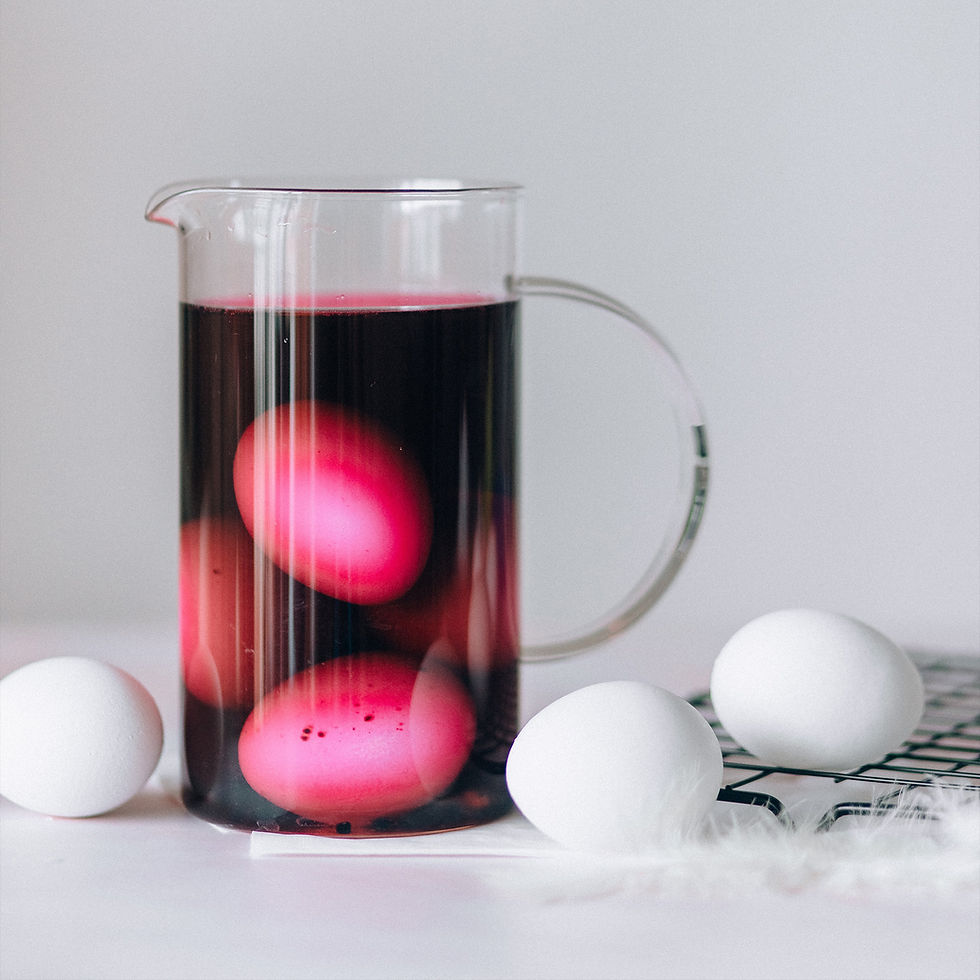
Credits: Nataliya Vaitkevich
A surprise effective and considerably less expensive alternative to red wine is red food colouring diluted in water. The typical colour of true red wine is excessively dark. In photographs, you want your red "wine" to seem slightly translucent.
Take a shot after a few drips first. Drops should be added repeatedly until you get a realistic colour you like. It shouldn't appear like juice, please!
Conclusion
You might not need every tool in your food styling kit, depending on the task, but it's better to be ready so you can work as quickly as possible. Food styling requires quick problem-solving and creative thinking.


Comments